


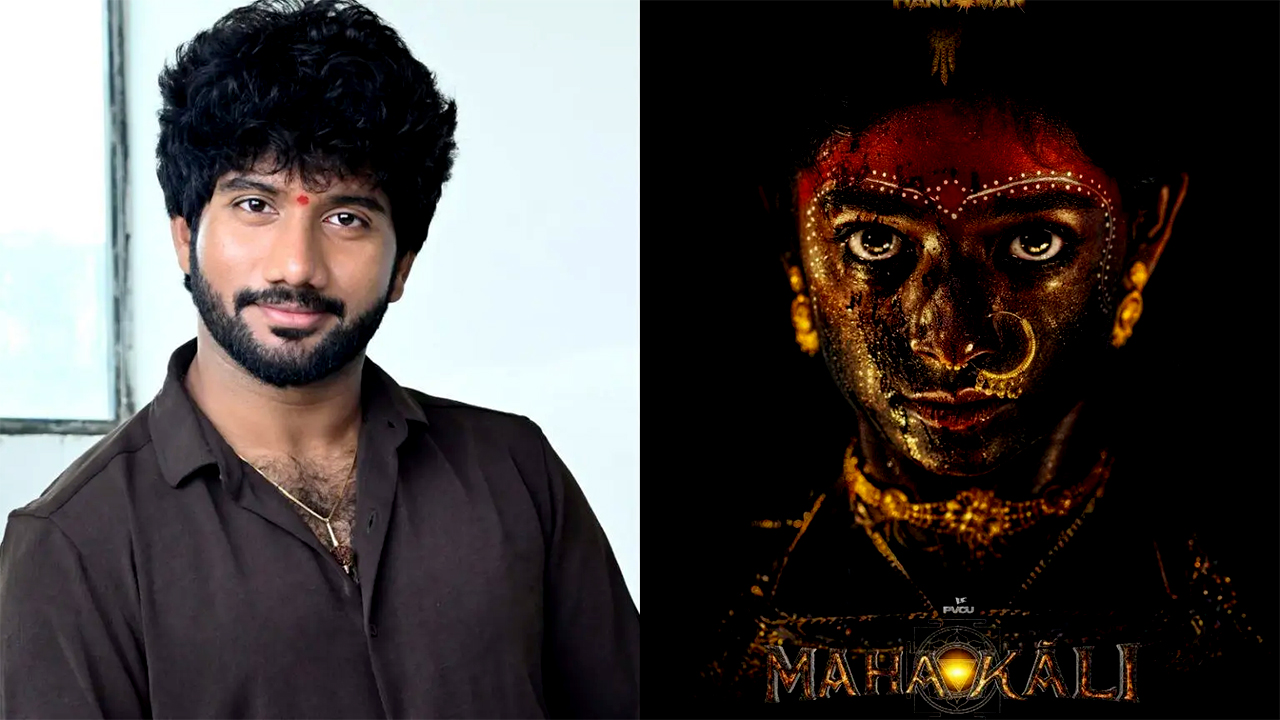
Mahakali: A Crucial Test for Prasanth Varma’s Cinematic Universe
Mahakali has emerged as a crucial project for Prasanth Varma following the massive success of HanuMan, a film that not only elevated his reputation as a filmmaker but also sparked excitement around the idea of a larger cinematic universe. However, despite the strong foundation laid by that success, the momentum surrounding his ambitious universe has noticeably slowed in recent months. Several projects that were announced with much anticipation failed to progress as expected, leading to a sense of uncertainty about the sustainability of his vision.
One of the most significant setbacks came in the form of a proposed collaboration with Ranveer Singh, which was eventually shelved. That development, in particular, dealt a blow to the expanding scale of the cinematic universe and raised questions about its long-term viability. In this context, Mahakali is not just another addition to the lineup—it has become a defining turning point that could either revive or further stall Prasanth Varma’s ambitious plans.
Although the film is being directed by Puja Aparna Kolluru, Prasanth Varma remains the creative force at its core, as Mahakali is an integral part of the Prasanth Varma Cinematic Universe. His involvement ensures continuity in storytelling and vision, which is essential for building a connected narrative across films. At the same time, handing over directorial responsibilities suggests a collaborative approach, potentially allowing fresh perspectives to shape the project while still aligning with the broader universe.
The casting of Akshaye Khanna as Shukracharya stands out as a strategic and calculated decision. Known for his strong screen presence and acting depth, Akshaye Khanna brings a certain gravitas to the role. His recent surge in popularity, particularly after Dhurandhar, has further amplified curiosity around Mahakali. This casting choice not only strengthens the film’s appeal but also helps it gain traction beyond regional boundaries.

Initially conceived as a Telugu-language film, Mahakali is now being prepared for a Hindi release as well. This expansion reflects a clear intent to tap into a wider audience base, especially in North India, where Akshaye Khanna enjoys considerable recognition. The pan-India approach aligns with the growing trend of filmmakers aiming to transcend linguistic barriers and reach diverse markets. However, this strategy also comes with its own set of challenges, as it increases expectations and intensifies scrutiny.
Relying heavily on an actor’s recent success, however, can be a double-edged sword. While Akshaye Khanna’s presence undoubtedly adds credibility and draws attention, it cannot single-handedly guarantee box office success. Audiences today are far more discerning, and star power alone is rarely enough to carry a film. Ultimately, the strength of Mahakali will depend on its storytelling, execution, and emotional resonance.
The central question, therefore, revolves around the film’s narrative. For Mahakali to succeed, it must offer a compelling story that connects with audiences on multiple levels. Whether through its mythological elements, character arcs, or visual storytelling, the film needs to deliver a cohesive and engaging experience. Without that foundation, even the most promising casting and marketing strategies may fall short.
For Prasanth Varma, the stakes could not be higher. Mahakali represents more than just a single project—it is a critical opportunity to restore confidence in his cinematic universe and reaffirm his creative vision. A successful outing could reignite interest in his long-term plans and pave the way for future projects. On the other hand, a failure might deepen doubts about his ability to sustain momentum beyond an initial breakthrough success.

In many ways, Mahakali stands at the crossroads of ambition and expectation, carrying the weight of both past achievements and future possibilities.