


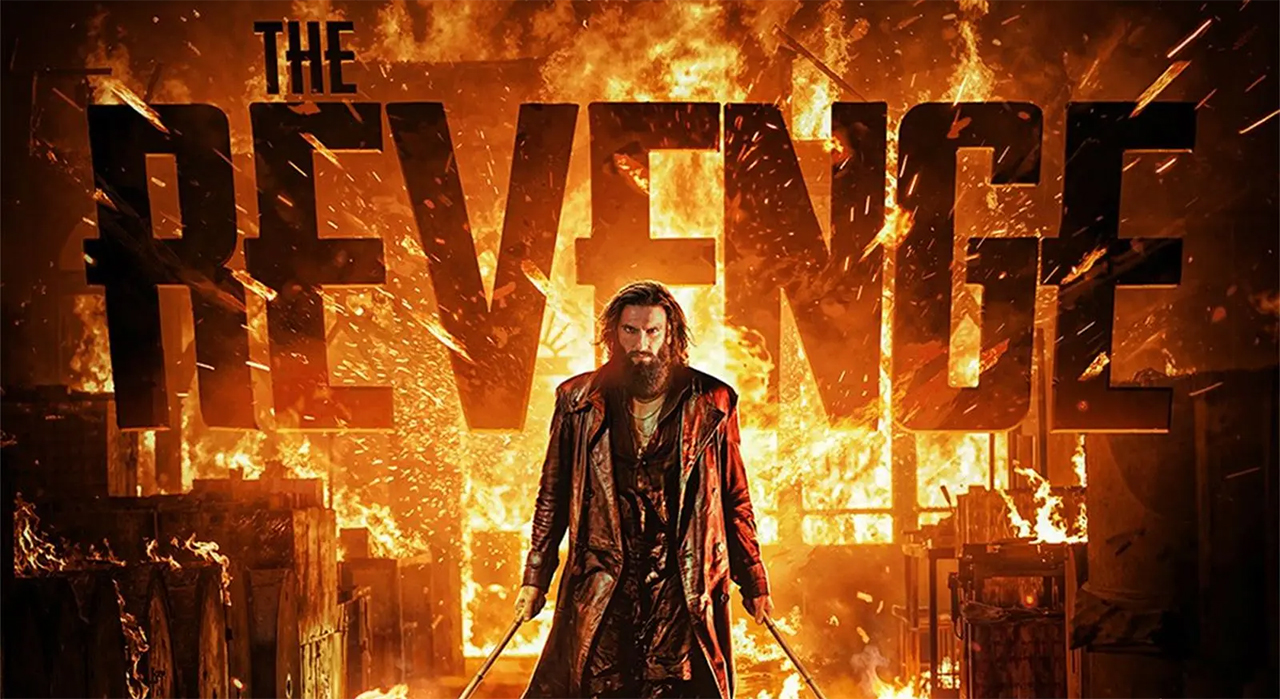
“Dhurandhar: The Revenge” Sparks Debate Despite Strong Box Office Run
Dhurandhar: The Revenge, directed by Aditya Dhar, is enjoying a solid run at the box office. While the film continues to attract audiences and generate impressive numbers, it has also become a focal point of intense debate and controversy.
A section of viewers and critics has described the film as politically driven, pointing to its narrative choices and thematic undertones. The discussion gained further momentum after popular influencer Dhruv Rathee voiced his concerns, suggesting that the film appears to promote a particular political perspective.
Adding to the conversation, IGN observed that the film carries a noticeable political tilt. This observation has amplified online discussions, with debates spreading rapidly across social media and digital platforms.
The controversy took another turn when the film’s page on Wikipedia reportedly described it as a “propaganda film.” The classification, which labels it as a “2026 Indian Hindi-language spy action thriller propaganda film written and directed by Aditya Dhar,” has drawn widespread attention and further intensified the discourse surrounding the film’s intent and messaging.

One of the central points of criticism revolves around the film’s portrayal of demonetisation. Critics argue that the narrative presents a one-sided perspective, depicting a complex policy decision that impacted millions as a heroic move. This portrayal has triggered strong reactions, with some viewers feeling that the film leans more toward delivering a political message than providing balanced entertainment.
The debate has also reignited larger questions about the role of cinema in shaping public opinion. Some critics believe that the film reflects a narrative aligned with a specific ideological agenda, raising concerns about the increasing overlap between storytelling and political messaging.
Bollywood has long evolved with changing times, consistently adapting to new challenges while entertaining audiences across generations. However, discussions around Dhurandhar: The Revenge suggest that some observers see the industry entering a new phase—one where content, influence, and intent are being more closely scrutinized.
As conversations continue to unfold, Dhurandhar: The Revenge remains firmly in the spotlight—not just for its commercial success, but also for the broader debate it has ignited about cinema, politics, and audience perception.

Read Also: Vishnu Vinyasam Review: Energetic Performance, Uneven Entertainment